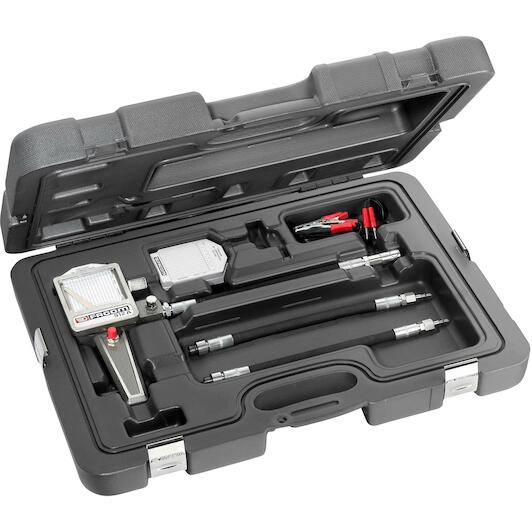
N52 compression test must be performed with the eccentric shaft angle being at 176°. It can be set using ISTA+ scantool or manually using an allen key on the eccentric shaft actuator motor. A scan tool like ISTA+, BimmerLink, DeepOBD or Protool must be used to monitor the eccentric shaft position while turning
.About 26 half-turns anti-clock-wise on the eccentric shaft motor actuator (T25 Hex key. The actuator wire harness socket must be uncliped first). Knowing that in most cases, the eccentric shaft when the engine is off, is at 58 degrees.
Healthy Values must be between 180 psi and 210 psi. With a maximum gap/variation of 29 psi between the highest value and lowest value.
150 psi is the minimum allowed before the engine requires a rebuild
Note: Depending on the position of the eccentric shaft, compression range can vary from 130 psi up to 265 psi
Do not forget to release pressure from the gauge after each test!
Cases implying a compression test: